 Add Your Business
Add Your Business
Add Your Business


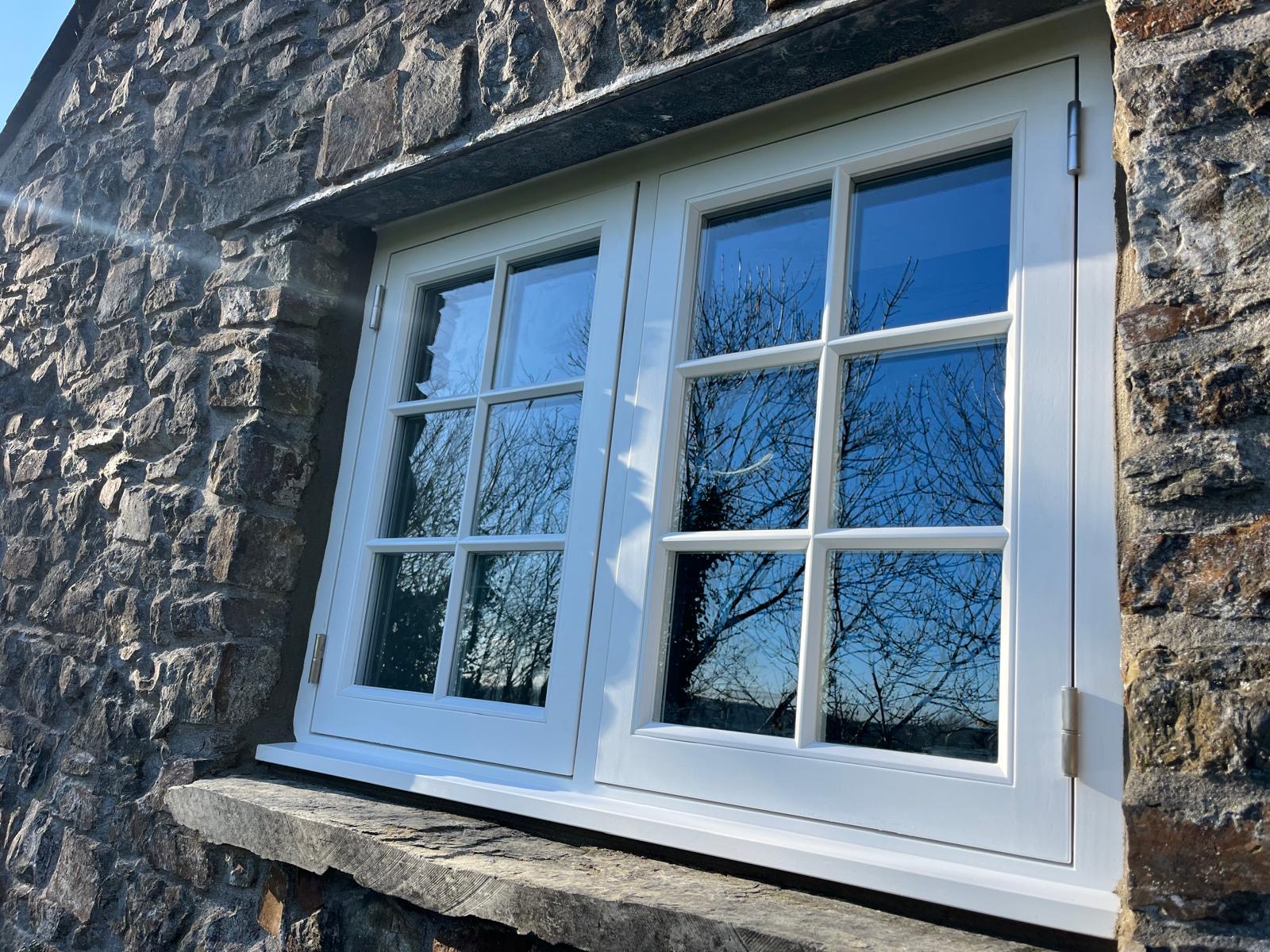
There's something about the long days of a Pembrokeshire summer that makes the condition of your home impossible to ignore. Light floods in from every angle - and with it, often, the uncomfortable realisation that those draughty windows and swollen doors have been meaning to be dealt with for a while.
Summer is the single best time of year to invest in new windows and doors. Not just because the weather makes installation easier, but because planning now means your home is properly weatherproofed before the Atlantic gales return in the autumn. If you've been putting it off, consider this your guide to doing it properly.
It sounds like a simple question, but the reasons to replace ageing windows and doors in Pembrokeshire are perhaps more pressing here than anywhere else in Wales.
Coastal and near-coastal properties face a level of weathering that inland homes simply don't. Salt air, driving rain, and strong winds accelerate the deterioration of window and door frames - particularly those made from standard timber or low-grade materials. Rot, warping, sticking frames, and failing seals are not just nuisances; they represent real heat loss and, in some cases, genuine security concerns.
Beyond the practical, the benefits of quality new windows and doors are well established:
Energy efficiency. Modern double glazing, properly installed in well-fitted frames, makes a measurable difference to heat retention. With energy costs remaining high, this is no longer a luxury consideration.
Property value. Well-chosen, high-quality joinery improves both the appearance and the perceived quality of a property - whether you're planning to sell or simply want to enjoy your home at its best.
Noise reduction. Often underestimated, quality windows provide a meaningful improvement in sound insulation - particularly relevant for homes near roads or in busy villages and towns.
Aesthetics. The right windows and doors - particularly bespoke, handcrafted pieces - transform a property in a way that off-the-shelf alternatives simply cannot match.
Walk into any large DIY retailer and you'll find rows of windows and doors at seemingly competitive prices. The appeal is obvious - fast, cheap, and convenient. But for many Pembrokeshire properties, particularly period homes, listed buildings, and coastal houses, standard sizes simply don't fit. And even when they do, the compromise in quality becomes apparent quickly.
Bespoke joinery - handcrafted to the specific measurements, style, and requirements of your property - represents a fundamentally different proposition. Here's why it matters:
Fit is everything. No two properties are identical. Older homes in particular rarely conform to the standard sizes that mass-produced windows are built around. Ill-fitting windows allow draughts, create moisture problems, and look wrong. A bespoke piece fits perfectly from day one.
Material quality. Factory-produced windows are built to a price point. Specialist joiners, by contrast, work with premium materials selected for performance and longevity. High-performance timber like Accoya - an ultra-high performance sustainable wood backed by a 50-year warranty - is a world away from the materials used in mass production. It's highly stable, naturally insulating, low maintenance, and ideal for Pembrokeshire's coastal conditions.
Longevity. A well-made, quality window or door, properly installed, should last decades. The mathematics of replacing a cheaper product every eight to ten years quickly outweigh the initial saving.
Character. Period properties, in particular, deserve joinery that complements their architecture. A sliding sash window handcrafted by a specialist joiner looks and feels entirely different to a modern equivalent produced on a production line.
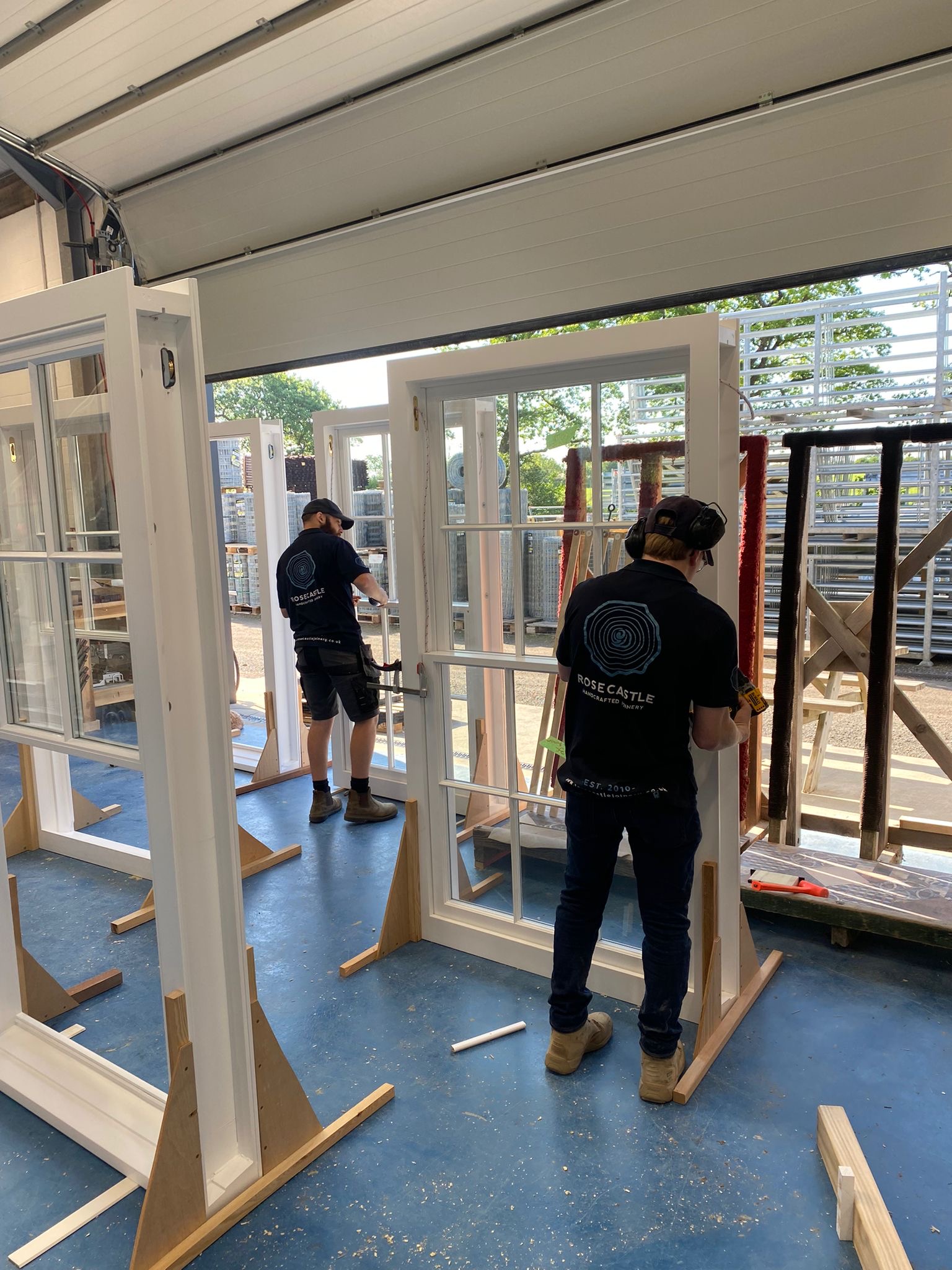
For homeowners in Pembrokeshire with listed buildings or properties in conservation areas - and there are many, particularly in Tenby, St Davids, Pembroke, and across the county's historic villages - the choice of joinery supplier is not just a matter of preference. It's a matter of compliance.
Planning authorities require that any replacement windows or doors in listed or conservation buildings match the character and materials of the original. This means working with a joiner who understands heritage requirements, has experience of working in sensitive locations, and can produce work that satisfies both the homeowner and the relevant planning authority.
Specialist joiners with heritage experience are equipped to produce authentic reproductions of original window styles - from sliding sash to casement - using sympathetic materials and traditional techniques that pass planning scrutiny and look the part for decades to come.
One of the most common reasons people put off upgrading their windows and doors is simple uncertainty about what the process involves. In reality, working with a reputable specialist joiner is far more straightforward than many people expect.
Initial consultation and site visit. A good joinery firm will come to you. A site visit allows the specialist to assess your property, take precise measurements, discuss your requirements, and advise on materials and style. You shouldn't be expected to take your own measurements - this is the joiner's job, and precision at this stage is what ensures a perfect fit.
Design and specification. Before any timber is cut, you should know exactly what you're getting. Detailed technical drawings and specifications map out every element of the finished product - dimensions, profiles, glazing, ironmongery, and finish. There should be no surprises.
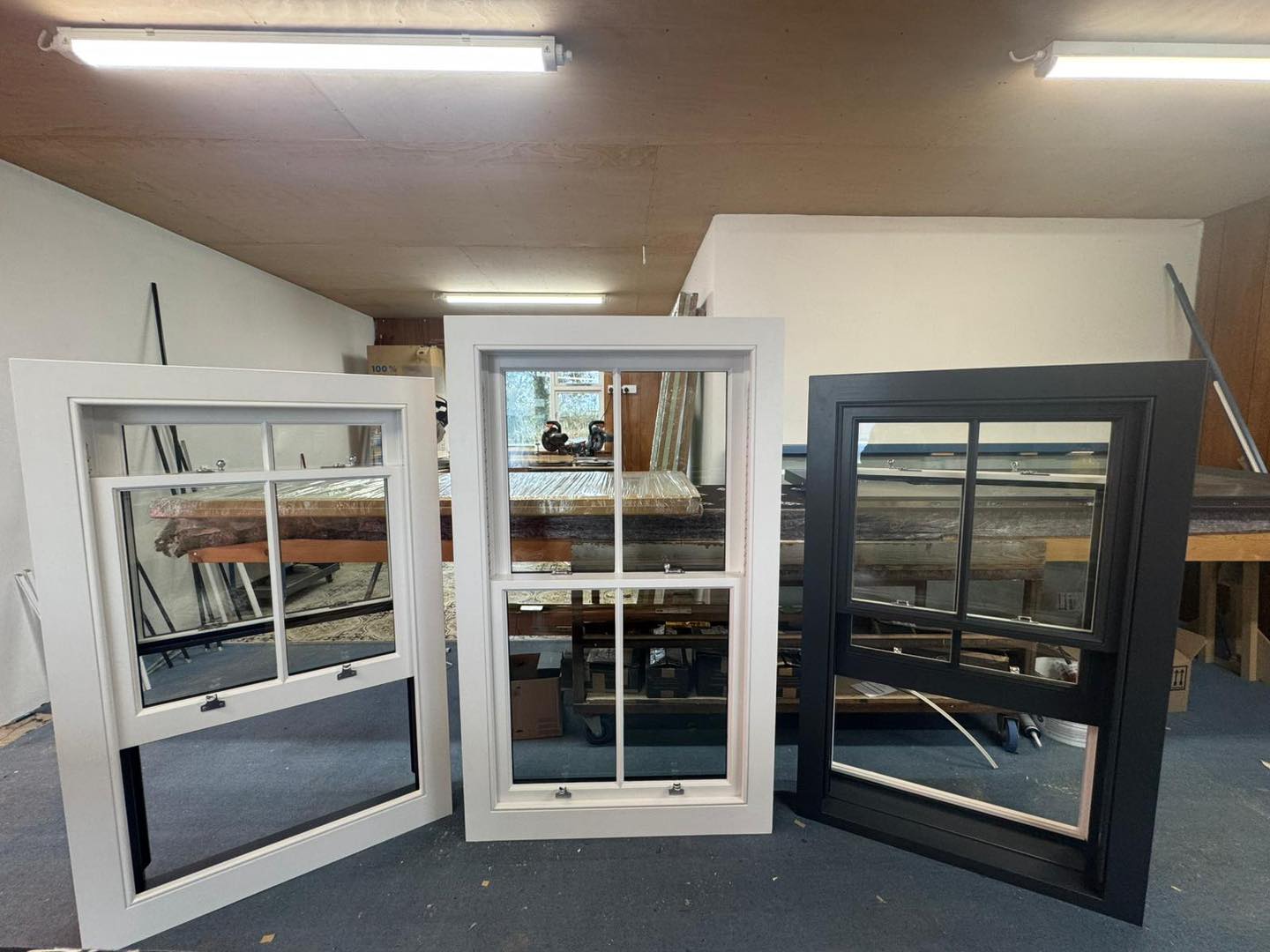
Workshop production. Quality bespoke joinery takes time. Each piece is crafted by hand in the workshop, from the selection and preparation of timber through to the final finishing. Depending on the size and complexity of the order, lead times can run to several weeks - which is exactly why planning now, in early summer, makes sense for autumn installation.
Installation. A dedicated fitting team carries out the installation, bringing the same attention to detail from the workshop to your home. The best joinery firms work with experienced local carpenters who handle the majority of installations, maintaining quality control throughout.
Aftercare. Reputable firms stand behind their work. Quality joinery, properly maintained, should require minimal intervention - but a good supplier will be there if you need them.

With so many trades operating across West Wales, how do you identify a joinery specialist worth trusting with your home?
Look for workshop-based craftspeople. There's a meaningful difference between a joinery firm with a purpose-built workshop and a one-person operation buying in ready-made components. A proper workshop means the team controls every stage of production - from timber selection to finishing - and can take on complex, bespoke briefs.
Ask about materials. The quality of the timber and hardware used tells you a great deal about the standard of the finished product. Ask specifically about what timber they use, what glazing comes as standard, and what hardware is fitted as standard on external products.
Consider their portfolio. A specialist with experience across residential, commercial, heritage, and conservation projects is better equipped to handle the full range of challenges a Pembrokeshire property might present. Projects in St Davids, Tenby, or listed rural properties require a different level of expertise than a standard new-build job.
Check they handle installation. The best joinery suppliers don't just build the product - they see the job through to completion with a trusted fitting team. This matters because even the finest window is only as good as its installation.
Word of mouth still matters. In Pembrokeshire, reputation is everything. Ask around, look for locally known names with a track record of satisfied customers, and don't be afraid to ask for references.
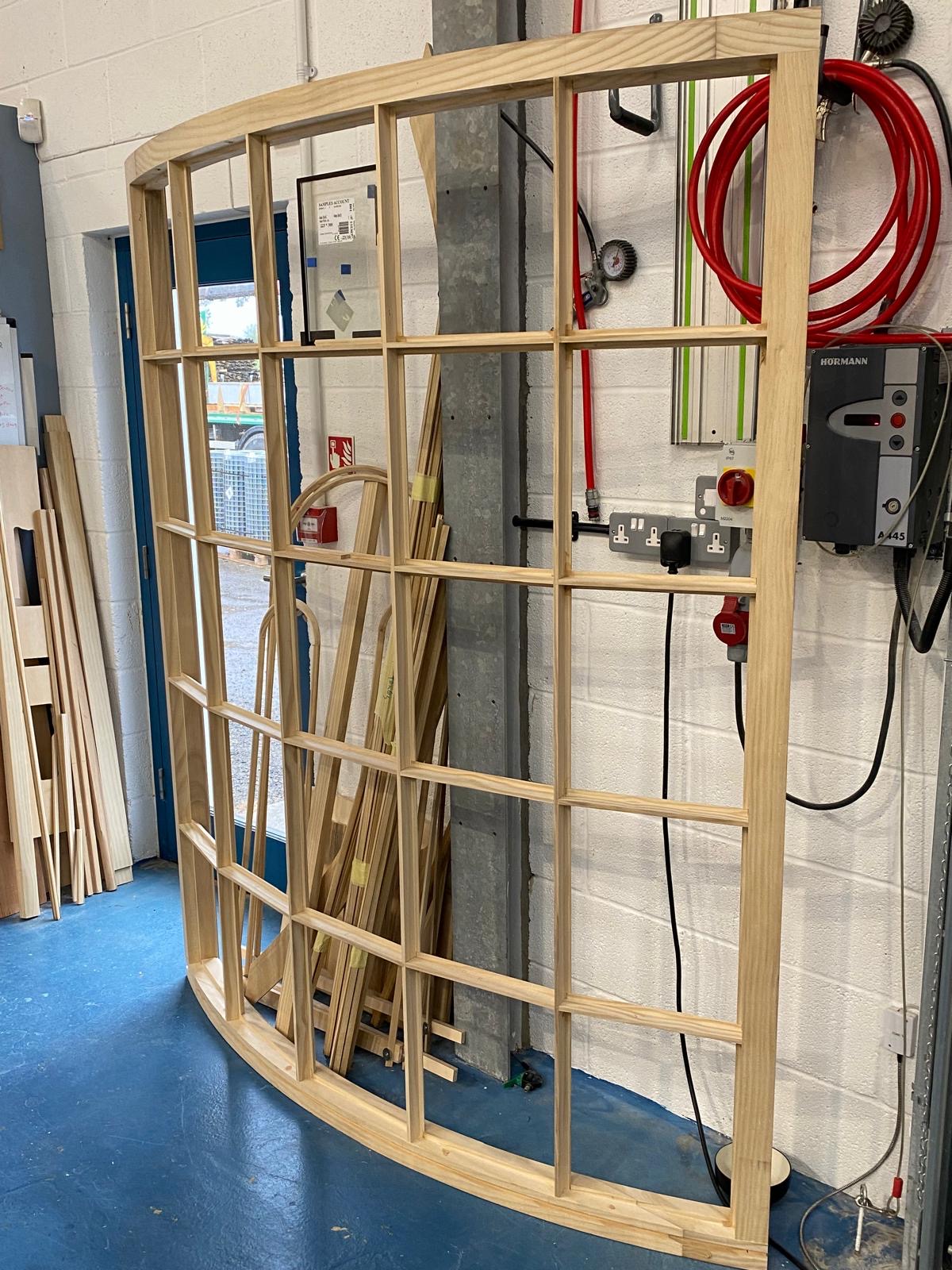
When it comes to bespoke joinery in Pembrokeshire, few names carry the weight of Rosecastle Joinery. Based at purpose-built premises in Llandissilio near Clynderwen, the business has been producing handcrafted windows, doors, staircases, and architectural joinery since 2010 - and in that time has built a reputation that extends far beyond the county.
Founded by Rhydian Williams - who began his career as an apprentice joiner before establishing his own business - Rosecastle operates from a dedicated production facility with separate specialist buildings for spraying and glazing. A team of nine skilled craftspeople, including two apprentices continuing the trade's traditions, work across the site.
Rhydian's wife Christina manages the design process, working directly with clients to map out every detail before production begins. "We want clients to see exactly what they're getting before we start," Christina explains. "Every detail is mapped out, every measurement checked."
Rosecastle's use of Accoya timber, stainless steel exterior furniture, and toughened double glazing as standard reflects a consistent commitment to products built for Pembrokeshire's coastal conditions. The business also carries strong environmental credentials - the workshop runs on 50% solar energy, operates a zero-waste policy on offcuts, and repurposes sawdust into animal bedding.
Their work spans heritage properties in St Davids and Tenby, residential and commercial projects across West Wales, and commissions as far as Bristol, Cardiff, Scotland, the Isle of Man, Salisbury, and Paris. Installation is carried out by Richard Sharp-Williams and his team, whose reputation for craftsmanship and attention to detail mirrors the quality of what leaves the Rosecastle workshop.
For homeowners in Pembrokeshire and West Wales planning a window or door upgrade this summer, Rosecastle Joinery offers a free site visit and consultation.
The practical reality of bespoke joinery is that it takes time to do properly. The design stage, workshop production, and installation scheduling all add up - and the best specialists are in demand. If you want new windows and doors installed before the autumn weather closes in, the time to start the conversation is now.
Whether you're looking to replace ageing windows in a period farmhouse, upgrade a coastal property's external doors, or source handcrafted joinery for a new build or renovation project, finding the right specialist in Pembrokeshire is the most important decision you'll make.
Quality joinery, properly installed, is one of the most enduring investments a homeowner can make - built to last, built to perform, and built to look right for decades to come.
Contact Rosecastle Joinery:
📞 01437 563136
📧 info@rosecastlejoinery.co.uk
📍 Crugiau, Llandissilio, Clunderwen, Pembrokeshire, SA66 7SU
🌐 www.rosecastlejoinery.co.uk
